
Hookito

Uzbekistan · Books

Books from Uzbekistan
3 books from and about Uzbekistan: what each is about, the plot, and a note from Professor Kogi.

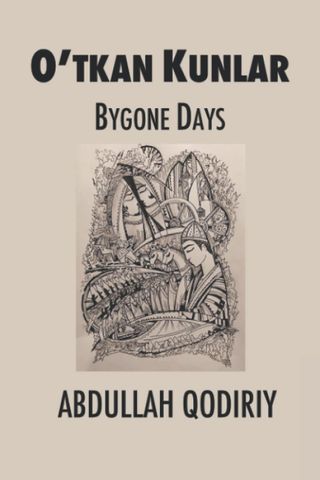
Cover of Bygone Days: O'tkan Kunlar

Bygone Days: O'tkan Kunlar

Abdullah Qodiriy

Original language: Uzbek · Paperback · ISBN 978-0578467290

Bygone Days, originally published in 1926 under the Uzbek title O'tkan Kunlar, is a historical novel by Abdullah Qodiriy set in nineteenth-century Turkistan roughly twenty years before the Russian conquest of the region. The story follows Otabek, the son of a hajji named Yusufbek, who works as a trader and advocates for reform in a society he sees drifting toward collapse. His life moves between the caravanserais, mosques, and tea houses of Tashkent and Margilan and the inner circles of the Qoqan Khanate, a Central Asian state weakened by corruption and internal rivalries.

Otabek's personal life is shaped by family obligations, including an arranged path toward marriage to two wives, while the broader political landscape around him is marked by ethnic tensions and a ruling class unable or unwilling to change course. Friends and rivals alike navigate a world where loyalty, tradition, and ambition pull in competing directions.

Qodiriy wrote the novel for an Uzbek readership that was itself living through rapid political transformation. The book is widely regarded as one of the first modern novels in the Uzbek language, and its portrait of a khanate in decline gave readers a way to reflect on questions of cultural survival and self-determination.

Plot

Otabek, the son of Yusufbek Hajji, is a 19th-century Muslim reformer and trader (and soon-to-be husband of two wives), who takes us through Turkistan twenty years before the Russian conquest. From the teeming caravanserais, mosques, and chai khanas of Tashkent and Margilan to the inner sanctum of the Qoqan Khanate, our hero bears witness to a world heading into a future of memory and loss, offering reform and resistance as the only hope to save the soul of a people. Not just Otabek, but his friends and enemies alike face a cultural and political landscape of family obligations, ethnic conflict, and a khanate lost to corruption and intrigue.
Cover of Chasing the Sea

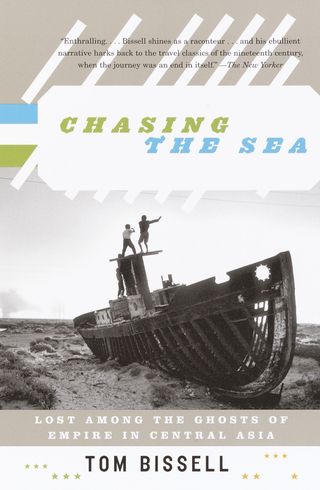
Chasing the Sea

Tom Bissell

Original language: English · Paperback · ISBN 978-0375727542

In 1996, Tom Bissell arrived in Uzbekistan as a young Peace Corps volunteer. His stay lasted only a few months before illness and personal difficulties sent him back to the United States. But something about the country stayed with him, and five years later he returned with a specific destination in mind: the Aral Sea, once one of the largest inland bodies of water on Earth, now drastically reduced by decades of Soviet-era irrigation projects that diverted its feeder rivers to cotton fields.

Bissell's account follows his journey across Uzbekistan alongside a local translator named Rustam. The two encounter run-ins with Uzbek police and pass through landscapes shaped by centuries of conquest, from the campaigns of Genghis Khan through Russian imperial and Soviet rule. Bissell weaves together present-day travel writing and historical narrative, tracing how successive waves of outside power reshaped the region's cities, agriculture, and daily life.

The Aral Sea itself serves as the book's geographic and thematic anchor. What was once a major fishing and shipping waterway had by the early 2000s split into smaller remnants surrounded by exposed seabed. Bissell documents conditions around the shrinking water while also recording the culture, humor, and stubbornness of the people still living nearby.

Plot

In Chasing the Sea, Bissell combines the story of his travels with a beguiling chronicle of Uzbekistan’s striking culture and long history of violent subjugation by despots from Jenghiz Khan to Joseph Stalin.

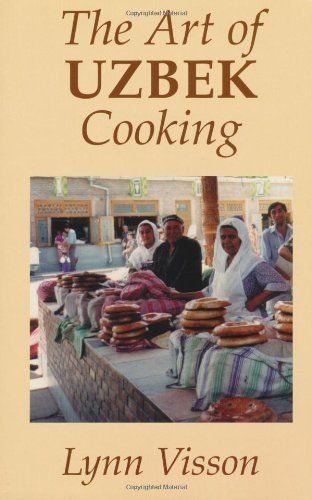
Cover of The Art of Uzbek Cooking

The Art of Uzbek Cooking

Lynn Visson

Original language: English · Hardcover · ISBN 978-0781806695

Uzbekistan sits at a geographic crossroads where trade routes once connected China, India, Persia, and Russia. The cuisine of this Central Asian country carries traces of all those neighbors. Lynn Visson's The Art of Uzbek Cooking presents around 175 recipes that reflect this layered food history, covering categories from soups and meat dishes to stuffed pastries, dumplings, noodles, and pancakes. Flat breads, dried fruits, nuts, and a wide range of spices appear throughout the collection.

The book is organized into chapters on appetizers and salads, soups, meat, poultry, and fish, plovs (rice pilafs central to Uzbek meals), filled pastries and pasta, vegetables, breads, desserts, and drinks. A section of suggested menus helps tie individual dishes into full meals. Visson adapted the recipes for American kitchens, adjusting ingredients and methods so that cooks outside Central Asia can follow them without specialized equipment or hard-to-find supplies.

Uzbek cooking draws on influences that arrived along the old Silk Road corridors, and the book frames its recipes within that context. Meat pies with roots in South Asian traditions sit alongside Russian-influenced soups and Chinese-style noodle preparations, offering a practical look at how geography and migration shape a national kitchen.

Plot

Meat pies from India, soups and cakes from Russia, and noodles from China coexist with varied spices, dried fruits and nuts, and traditional golden flat breads. The Art of Uzbek Cooking provides an introduction to a little-known and exciting culture through easy-to-follow recipes that have been tested and adapted for American kitchens. This collection of some 175 authentic Uzbek recipes includes chapters on Appetizers & Salads; Soups; Meat, Poultry, and Fish; Plovs; Stuffed Pastries, Dumplings, Pasta & Pancakes; Vegetables; Breads; Desserts; Drinks; and even Suggested Menus.

More from Uzbekistan

See the country page for Uzbekistan for its map, facts and largest cities, or browse books from other countries.

Links go to Amazon; Hookito doesn’t sell books. Know a book that belongs here, or spotted a mistake? Write to submissions@hookito.com.

Where to next?

Back to the globe
Hookito landscape illustration